How to Maintain Decorative Concrete Surfaces
Last Updated: October 26, 2026
Quick Summary
To maintain decorative concrete, sweep at least twice weekly with soft-bristled brooms, clean spills immediately with pH-neutral soap and water, and reseal every 3 to 5 years depending on traffic and climate. Proper maintenance protects your sealer, prevents stains from setting, and keeps colors vibrant.
Sweep high-traffic areas daily and other surfaces twice weekly to prevent dirt from grinding into the finish
Use only pH-neutral cleaners and avoid pressure washers above 1,500 PSI to protect sealers and stamped patterns
Reseal light residential surfaces every 4 to 5 years, moderate-traffic areas every 3 to 4 years, and heavy commercial spaces every 1 to 3 years
Place felt pads under furniture and use walk-off mats at entrances to prevent scratches and reduce abrasion damage
Address water beading loss, dull color, and worn high-traffic zones as signs that resealing is needed
Table of Contents
Routine Cleaning and Debris Removal for Decorative Concrete
Regular sweeping and debris removal protect your investment and keep finishes looking fresh. Small habits prevent bigger problems.
Daily and weekly sweeping practices
Sweep at least twice a week with a soft-bristled broom. Hard bristles damage sealers and mark polished or stamped finishes.
In high-traffic areas, sweep daily, removing dirt promptly stops particles from grinding into the surface.
Removing leaves, dirt, and foreign substances
Leaves and organic debris trap moisture that stains concrete and breaks down sealers. Remove them promptly with a leaf blower on low settings or a soft brush for sticky debris. Wipe bird droppings, tree sap, and pollen with a damp cloth before they harden.
How to Clean Decorative Concrete Without Damaging the Finish
Wrong cleaning methods can strip sealers, dull finishes, or create permanent marks. Know your finish before choosing tools and products.

Selecting the right cleaning tools and methods
Match tools to your finish, polished concrete needs gentler care than stamped. Start with the gentlest option:
Soft-bristled broom for regular cleaning
Microfiber mop for light dust and debris
Garden hose with low pressure for rinsing
Avoid pressure washers on decorative finishes; high pressure strips sealers and damages stamped patterns. If you must use pressure, keep it below 1,500 PSI and maintain distance from the surface.
Using pH-neutral cleaners and mild soap
pH-neutral cleaners protect your sealer and finish; acidic or alkaline cleaners break down coatings and etch concrete. Mix one tablespoon of dish soap per gallon of water, apply with a mop or soft cloth, rinse thoroughly, and dry with a towel to prevent water spots.
Low-pressure washing and avoiding damage
Use a garden hose on normal settings for routine rinsing, and avoid spraying directly at seams or edges where water seeps beneath the surface. For patios, hold the nozzle at least 3 feet away, use a wide spray pattern, work in sections, and let the surface air dry.
Decorative Concrete Stain Removal Techniques
Address stains quickly before they set; different stains require different removal methods.
Addressing spills and sticky spots promptly
Clean spills immediately, the longer liquid sits on sealed concrete, the deeper it penetrates. For fresh spills, blot with a clean cloth, wipe with a damp cloth, rinse with clean water, and dry completely. For sticky spots like sap or dried food, apply a damp cloth to soften the residue and rub gently; never scrape with hard tools that scratch the surface.
Treating metal marks and salt damage
Metal marks appear as rust stains from furniture legs or equipment. Remove metal objects promptly to prevent permanent discoloration. For existing marks, clean with mild soap and water, apply a rust remover designed for concrete, follow product instructions, then rinse and dry. In winter climates, deicing salts discolor concrete and damage sealers, sweep salt away regularly and rinse with fresh water when temperatures allow.
Understanding Decorative Concrete Sealer and Its Role
Sealers are the first line of defense, but not all behave the same. Your sealer determines which cleaners are safe, how often to reseal, and what warning signs signal maintenance. Matching your care routine to the sealer type prevents the most common damage cause: the wrong product on the wrong finish.
Film-forming sealers and wax finishes
Film-forming sealers create a protective layer on top of the concrete that blocks moisture and prevents staining. They work well for stamped concrete in high-traffic areas, colored concrete exposed to sunlight, indoor polished floors, and wet environments. They work well for stamped concrete in high-traffic areas, colored concrete exposed to sunlight, indoor polished floors, and wet environments.
Matching sealer type to finish and care routine
Different decorative finishes pair with different sealers, each with its own care rules. Use this guide before you buy a cleaner or plan a reseal:
Stamped concrete: Usually protected by a film-forming acrylic or polyurethane sealer that preserves the textured pattern and color. Clean with pH-neutral soap and a soft brush that reaches into the texture without abrading the film. Avoid acidic cleaners, which dull the film and can etch the surface.
Stained concrete: Color is often locked in with a penetrating sealer or a thin film-forming topcoat. Penetrating sealers leave the surface breathable and are cleaned with mild soap and water; film-forming topcoats need gentler tools to avoid scratching the gloss.
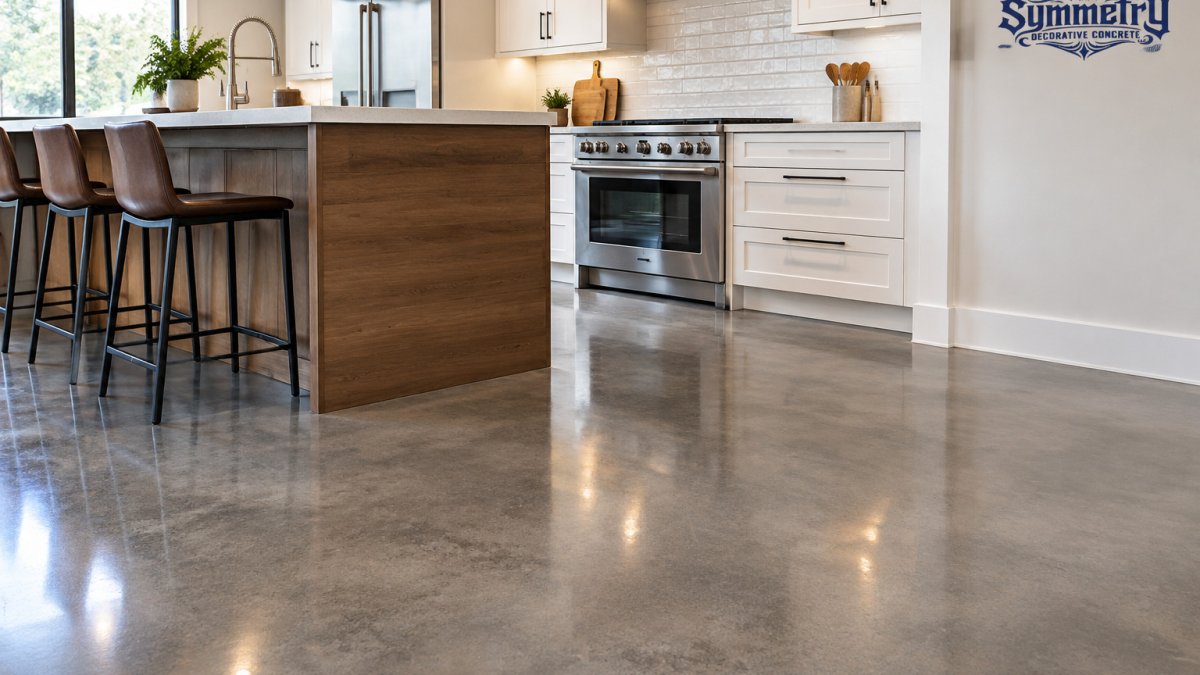
Polished concrete: Typically protected by a densifier and mechanical polish rather than a surface film. Clean with a neutral pH cleaner and a microfiber mop; avoid waxes and film-forming products that cloud the polish.
Pro Tip If you do not know which sealer is on your surface, test a small hidden area with mild soap and water first. If the finish dulls or the water beads differently, stop and confirm the sealer type before continuing.
How sealers protect color and surface
Sealers enhance color depth and block UV rays that fade unsealed concrete. They also prevent dirt from embedding into pores, block moisture that causes efflorescence and discoloration, and reduce spalling risk. Without sealer, decorative concrete ages quickly: colors fade, stains become permanent, and the surface turns porous.
Troubleshooting sealer problems
Sealer problems usually announce themselves before permanent damage. Learn the warning signs and the right response:
Whitening or cloudiness: Often caused by moisture trapped under a film-forming sealer or by applying sealer in cool, damp conditions. Stop wet cleaning, let the surface dry, and consult a professional about whether the affected area needs stripping and recoating.
Peeling or flaking: Usually means the sealer lost adhesion, often from surface contamination or incompatible products. Do not apply a new coat over peeling sealer; the loose film must be removed first.
Bubbling or pinholes: Trapped moisture or solvent escaping during cure. Small bubbles may settle as the sealer cures; persistent bubbling needs professional assessment.
Watch Out Never apply a new sealer coat over a dirty, damp, or incompatible surface. Trapped moisture and poor adhesion are the leading causes of sealer failure, and fixing them costs more than preventing them.
Safe cleaning and pressure-washer limits by sealer type
Cleaning pressure and chemistry must match the sealer. Keep pressure washers off decorative finishes; if one is unavoidable on a durable outdoor surface, stay below 1,500 PSI, use a wide fan tip, and keep the nozzle at least 3 feet away. Never direct pressure at seams, edges, or stamped texture where the film is thinnest.
How Often to Seal Stamped Concrete and Polished Floors
Resealing frequency depends on traffic, climate, and sealer type. Most decorative concrete needs resealing every 3 to 5 years; high-traffic areas more often.
Resealing frequency by traffic level and location
Light residential use typically requires resealing every 4 to 5 years.
Moderate traffic areas need resealing every 3 to 4 years. This includes busy kitchens, commercial lobbies, and outdoor patios with regular use.
Heavy commercial traffic demands resealing every 1 to 3 years. High-traffic retail spaces, warehouses, and public areas experience accelerated sealer wear.
Indoor sealed concrete lasts longer without UV and weather; outdoor surfaces typically need resealing every 2 to 3 years.
Seasonal and climate-specific care considerations
In cold climates, freeze-thaw cycles and deicing salts damage sealers and concrete; resealing every 2 to 3 years protects your investment.
Hot, dry climates cause UV damage and fading, so reseal every 3 to 4 years. Humidity-prone regions need more frequent sealing because moisture penetrates compromised sealers.
Watch for signs that resealing is needed:
Water no longer beads on the surface
Color appears dull or faded
Stains penetrate the surface more easily
Protecting Decorative Concrete from Scratches and Fading
Preventing damage is easier than fixing it. Protective measures keep decorative concrete looking new, and knowing when a problem is a DIY fix versus a contractor job saves money.
Preventing abrasion and mechanical damage
Place felt pads under furniture legs, felt glides smoothly without marking the surface, unlike plastic or rubber. In commercial spaces, use walk-off mats at entrances to catch dirt and grit before it reaches the surface, and clean them regularly. Lift and carry heavy objects instead of dragging them.
Seasonal and climate-specific protection
Weather drives most surface wear, and the right seasonal plan depends on your climate:
Freeze-thaw climates: Water that seeps into pores or under sealers expands when it freezes and can crack or spall the surface. Keep the surface sealed, clear snow with a plastic shovel rather than metal, and avoid deicing salts where possible. If salt is necessary, sweep residue promptly and rinse with fresh water when temperatures allow.
Hot, dry climates: UV exposure fades color and degrades film-forming sealers. Reseal on the shorter end of the recommended interval and use UV-resistant sealers where the finish allows.
Humid and rainy climates: Moisture trapped under film-forming sealers causes whitening and bubbling. Clean and reseal during dry windows, and keep drainage away from the surface.
Key Takeaway A simple seasonal check, sweep, inspect, and rinse, at the start of each season catches most wear before it becomes a repair.
Troubleshooting sealer wear and color loss
Dull appearance usually means the sealer is wearing thin, normal and expected. Resealing restores protection, color depth, and sheen.
Fading happens gradually, especially in sunny locations. It does not mean the concrete is damaged. Resealing protects against further fading and enhances color.
Patchy wear appears in high-traffic zones and needs attention before damage spreads; professional resealing addresses worn spots and protects the rest of the surface.
Repairing scratches, chips, fading, and worn areas
When routine maintenance is no longer enough, match the repair to the damage:
Surface scratches: Often cosmetic and confined to the sealer. Light scuffing may disappear with a professional recoat; deep scratches that reach the concrete need patching and color matching.
Chips and spalls: Small chips can sometimes be filled with a color-matched patching compound, but matching stamped texture and color is difficult. Larger or patterned chips are usually a contractor repair.
Fading: If color has faded despite sealing, a color enhancer or tinted sealer may restore depth. Severe fading may require a professional assessment before resealing.
Pro Tip Photograph damage before and after any DIY repair. It helps a contractor assess the surface later and documents wear patterns for your maintenance schedule.
If scratches appear, assess their depth. Surface scratches are cosmetic and fade over time. Deep scratches may need professional repair. Learn more about repairing damage that maintenance alone cannot fix.
Create Your Decorative Concrete Maintenance Schedule
A simple maintenance schedule keeps your decorative concrete protected. Explore decorative overlay options that may need the maintenance practices outlined in this article.
Maintenance Task | Frequency | Time Required |
Sweep or blow debris | 2x per week | 10-15 minutes |
Spot clean spills | As needed | 5 minutes |
Wash surface with mild soap | Monthly | 30-45 minutes |
Inspect for damage or wear | Quarterly | 15 minutes |
Deep clean outdoor areas | Seasonally | 1-2 hours |
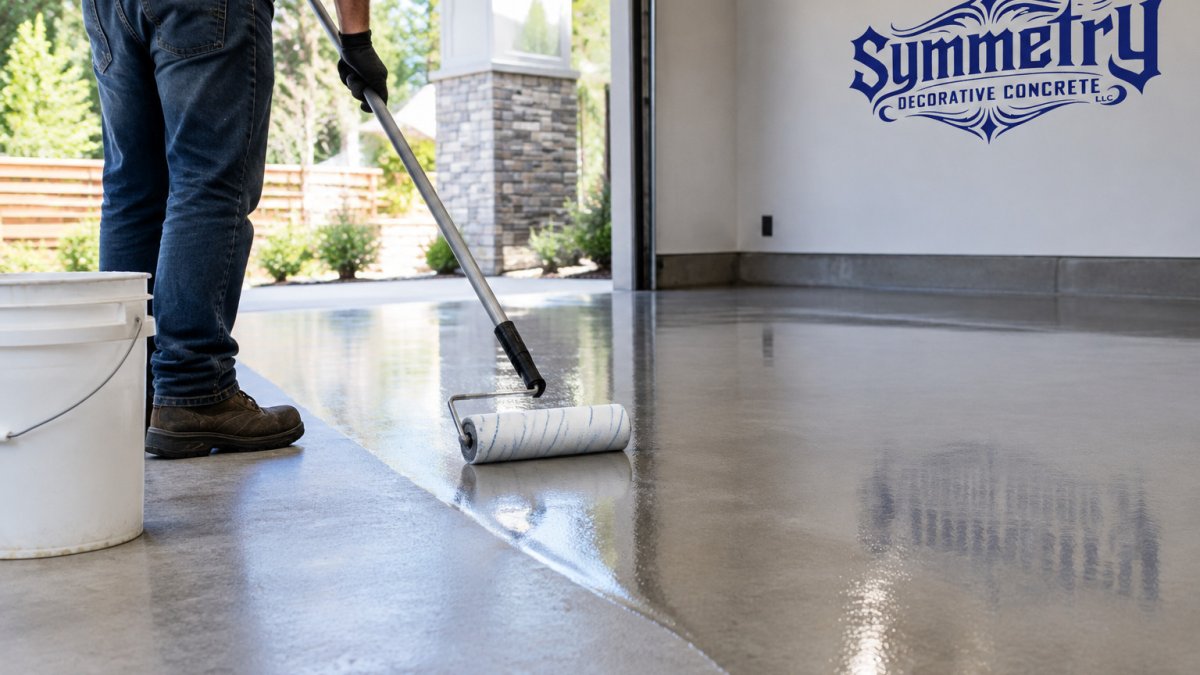
Reseal surface | Every 3-5 years | Professional service |
Post this schedule somewhere visible, use phone reminders for seasonal tasks, and track resealing dates so you don't miss the optimal window.
For professional maintenance guidance, contact our team.
Maintaining decorative concrete surfaces requires consistency and the right approach. Symmetry Decorative Concrete creates durable, beautiful finishes. Schedule a consultation.
Frequently Asked Questions
How often should decorative concrete be cleaned?
Decorative concrete should be swept or blown clean daily or several times per week, depending on foot traffic and outdoor exposure. Wash the surface with mild soap and water every 7-14 days for interior floors and more frequently for high-traffic commercial spaces. Spills and sticky spots should be addressed immediately to prevent staining and protect the sealer.
What cleaners are safe for decorative concrete?
Use only pH-neutral cleaners and mild soap specifically formulated for decorative concrete surfaces. Avoid abrasive cleaners, acidic solutions, and harsh chemicals that can strip sealers and damage polished or stamped finishes. Always test any new cleaning product on a small, inconspicuous area first to ensure compatibility with your specific sealer type.
How often should stamped concrete be resealed?
Stamped concrete typically requires resealing every 3-5 years, though frequency depends on traffic volume, climate, and sealer type. High-traffic commercial spaces may need resealing every 2-3 years, while low-traffic residential areas might extend to 5 years or longer. Regular maintenance and prompt cleaning help extend sealer life and protect the decorative finish.
Can pressure washing damage decorative concrete?
Yes, high-pressure washing can damage decorative concrete by stripping sealers, eroding stamped patterns, and creating uneven surface wear. Use only low-pressure cleaning methods, keeping pressure below recommended thresholds for your specific finish. For stubborn dirt or stains, consult a professional to ensure safe cleaning without compromising the surface or sealer integrity.
Comments