Decorative Concrete vs Natural Stone Flooring: 2026 Guide
Table of Contents
Decorative Concrete vs Natural Stone Flooring: The Core Differences
Decorative Concrete Flooring Cost: What Drives the Number
A like-for-like cost model, not a headline rate
Where the lifecycle numbers actually diverge
Polished Concrete vs Natural Stone: Performance Head to Head
Durability, Lifespan, and Lifecycle Value
Concrete Flooring Maintenance: What It Actually Takes
Natural Stone Floor Maintenance: Sealing, Staining, and Repair
Installation, Subfloor, and Indoor Room-by-Room Fit
Subfloor and substrate requirements
Room-by-room suitability indoors
Comfort, acoustics, and accessibility indoors
Which Floor Wins for Your Project? A Decision Framework
Frequently Asked Questions
Last Updated: October 21, 2026
Decorative Concrete vs Natural Stone Flooring: The Core Differences
Decorative concrete vs natural stone flooring comes down to one structural fact: concrete is poured and formed on site, while stone is quarried in blocks and cut into tiles or slabs.
Decorative concrete is a cement-based floor finished with color, scoring, polishing, or stamping to create a designed surface.
Natural stone flooring is dimensioned stone, typically travertine, limestone, marble, slate, or granite, cut to fixed dimensions and laid over a substrate.
The practical split:
Seams: concrete is monolithic or scored to your plan; stone is a grid of individual pieces with grout joints
Variation: concrete is controlled by the finisher; stone is dictated by the quarry
Repair: concrete can be patched and refinished; stone means replacing individual tiles
Lead time: concrete depends on curing; stone depends on quarry and shipping schedules
Below, we break down cost drivers, performance, maintenance, and room-by-room fit so you can choose with clear eyes.
Decorative Concrete Flooring Cost: What Drives the Number
Decorative concrete flooring cost is driven by square footage, finish complexity, substrate condition, and site access, not a single headline rate. Two identical rooms can land far apart in price once saw-cut patterns, aggregate exposure, and polishing steps enter the scope.
The variables that move the number most:
Finish type: a simple polished pour sits at the low end; integrally colored, scored, or stenciled work adds labor hours per square metre
Aggregate exposure: grinding deeper to reveal aggregate takes more passes and more time
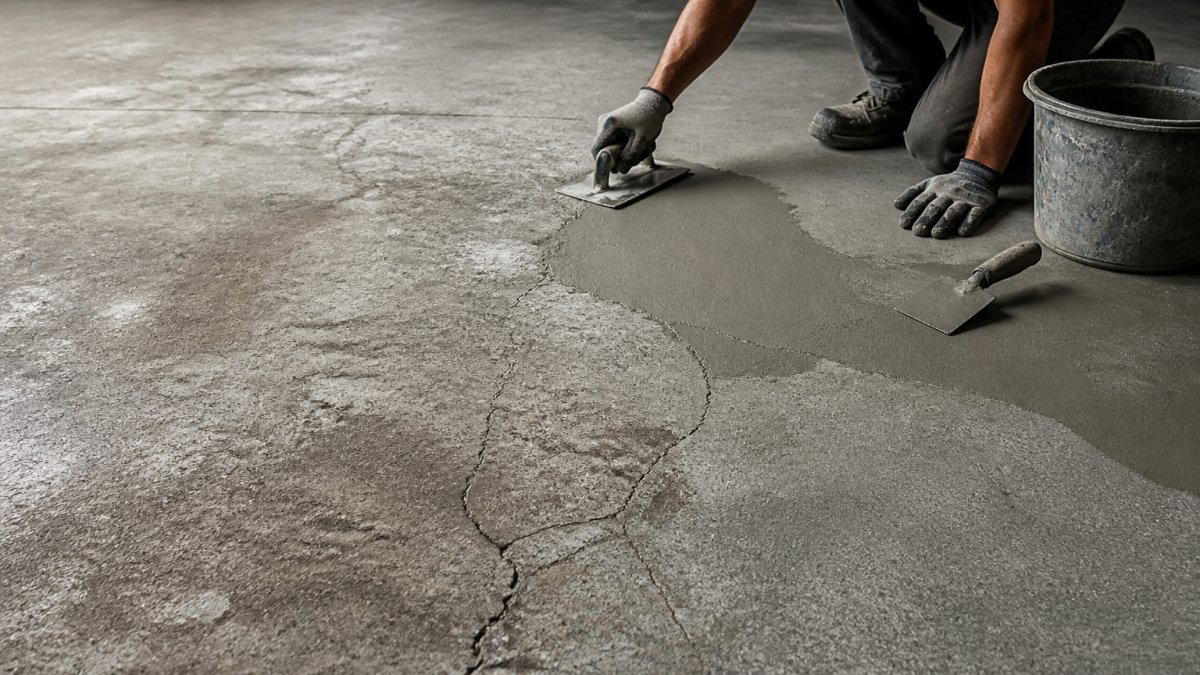
Substrate prep: crack repair, moisture mitigation, and leveling are separate line items
Access and staging: upper floors and tight sites raise labor cost
Natural stone pricing follows different logic: material cost per square metre, tile size, grout, sealant, and the skill to lay stone without lippage all factor in.
A like-for-like cost model, not a headline rate
Most published comparisons quote a single installed price per square foot, which misleads because the two materials fail and age differently. A more honest model prices four stages:
Installation: substrate prep, material, labor, and finishing. Decorative concrete tends to be lower per square metre on large open areas because the finish is applied to a single pour; stone carries higher material and labor cost, and the gap widens with tile size and pattern complexity.
Routine maintenance: cleaning products, sealer, and labor hours per year. Concrete needs periodic resealing depending on finish and traffic; stone needs penetrating sealer and grout care, and acid-sensitive stones need pH-neutral products only.
Repair: concrete can be ground, patched, and re-polished in place; stone damage usually means replacing individual tiles, and matching a quarry run years later is not guaranteed.
Replacement or refinish: a concrete floor can often be refinished rather than replaced; a stone floor's replacement cost is dominated by material re-sourcing and re-laying.
Pro Tip Ask for a line-item quote that separates substrate prep from finish work, and ask the stone supplier for the current lot's lead time and the cost to hold spare tiles for future repairs. A single blended number hides where the money goes, and prep and spare stock are where budgets quietly blow up.
Where the lifecycle numbers actually diverge
Decorative concrete typically wins on installed cost for large, open, simple-plan areas, while natural stone's premium sits in material and the labor to lay it without lippage.
For a defensible comparison, build the model on your actual room dimensions, chosen finish, and local labor rates rather than a national average. The ranking rarely flips, but the size of the gap changes with scale and finish complexity.
Polished Concrete vs Natural Stone: Performance Head to Head
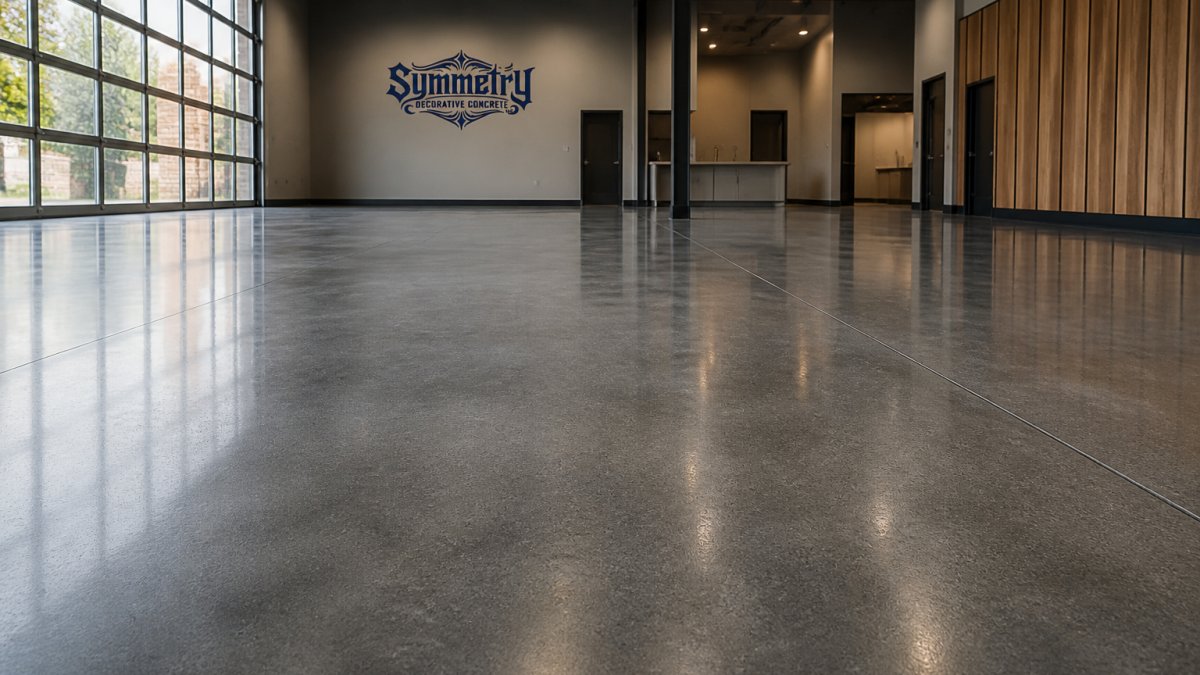
Polished concrete vs natural stone performance splits on two fronts: how each surface handles traffic, and how each handles moisture. Polished concrete is a single continuous surface with no grout lines.

In practice, this means:
Slip resistance: both depend on finish. A high-gloss polish or a polished marble can be slick when wet; honed and brushed finishes on either material grip better
Stain behavior: concrete is porous unless sealed; stone is porous by nature, and some stones stain more readily than others
Thermal feel: both feel cool underfoot, which suits some rooms and not others
Joint movement: concrete needs control joints to manage cracking; stone needs movement joints at perimeters
The honest limitation: neither material forgives poor substrate prep. Concrete will crack along stress lines, and stone will tent or debond if the subfloor moves.
Durability, Lifespan, and Lifecycle Value
Both materials can last decades, for different reasons: a properly poured and finished concrete floor can serve for the life of the building, while stone can outlast the structure it sits in.
Lifecycle value depends on three costs: installation, maintenance, and repair.
Installation: concrete is typically lower per square metre for large open areas; stone carries higher material and labor cost
Maintenance: concrete needs periodic resealing depending on finish and traffic; stone needs sealing and grout care
Repair: concrete can be ground, patched, and re-polished; stone damage means replacing tiles, and matching a quarry run years later is not guaranteed
Watch Out Skipping substrate moisture testing before either install is the most expensive shortcut you can take. Trapped moisture causes efflorescence, debonding, and staining, and fixing it means removing the floor.
Concrete Flooring Maintenance: What It Actually Takes
Concrete flooring maintenance is routine and predictable: dust mop, damp mop with a pH-neutral cleaner, and reseal on a traffic-based schedule. The schedule, not the effort, is what people underestimate.
What a realistic routine looks like:
Daily or weekly: dry dust mopping to remove grit that dulls the polish
Weekly to monthly: damp mopping with a neutral cleaner
Annually or as wear shows: resealing, and re-polishing high-traffic zones
As needed: spot treatment for oil, wine, and other staining agents
A common mistake is using acidic or abrasive cleaners on a sealed floor. They strip the sealer and dull the surface faster than foot traffic ever will.
Natural Stone Floor Maintenance: Sealing, Staining, and Repair
Natural stone floor maintenance centers on sealing and stain management, because stone is porous and some varieties react to acids. Marble and limestone etch when exposed to acidic spills; granite and slate are more forgiving.
The routine:
Sealing: most stone needs a penetrating sealer, reapplied on a schedule based on porosity and traffic
Cleaning: pH-neutral cleaner only; acidic products etch calcium-based stones
Stain response: blot immediately, then use a poultice for oil or organic stains
Grout care: sealed grout lines need periodic cleaning and resealing
Key Takeaway The real difference between concrete and stone maintenance is not frequency, it is forgiveness. Concrete can be re-ground and refinished; an etched marble tile has to be replaced or professionally re-honed.
Installation, Subfloor, and Indoor Room-by-Room Fit
Installation and subfloor requirements decide more projects than material preference does, yet most decorative-concrete-versus-stone comparisons skip this because they cover patios and walkways rather than interior floors. Indoors, the substrate, moisture condition, and trade sequencing determine whether either material is even feasible.
Subfloor and substrate requirements
Decorative concrete is poured in place, so substrate, moisture barrier, and curing conditions shape the outcome. A bonded topping or polished existing slab needs a sound, clean, profiled surface; an unbonded or floating system needs the right thickness and reinforcement.
Stone is laid over a sound substrate with appropriate movement joints. Setting method matters: thick-bed mortar behaves differently from thin-set over a prepared slab, and large-format slabs need full coverage and handling equipment.
What to check before either install:
Slab moisture and pH: test and document before any topping, sealer, or stone adhesive goes down
Flatness and level: both materials telegraph substrate variation; stone shows lippage at joints, concrete shows it in sheen and reflection
Movement joints: concrete needs control joints to manage cracking; stone needs movement joints at perimeters and large fields
Curing and disruption: a poured concrete floor needs curing time before finishing and before foot traffic; stone install is faster to walk on but generates cutting dust and layout time
Room-by-room suitability indoors
The right answer changes by room because the failure modes change by room.
Kitchens: concrete handles dropped items and hot pans better; stone shows etching near sinks and cooktops, especially marble and limestone. If you cook heavily and want stone, choose a less acid-sensitive stone or accept patina.
Bathrooms: both need slip-resistant finishes. Concrete can be finished with grip; stone needs a honed or brushed surface rather than a polish. Wet-area waterproofing and drainage falls are the real constraints, not the surface material.
Living areas: concrete suits large open plans with a continuous finish and no grout lines to interrupt the space; stone reads warmer and more traditional and works well where the floor is a feature rather than a backdrop.
Entryways: grit and water arrive here first. A honed or brushed finish on either material reduces slip risk, and a walk-off mat zone protects both.
Comfort, acoustics, and accessibility indoors
Both materials are hard and cool underfoot, which suits some rooms and not others. On upper floors, both can sound loud without underlay or rugs, and stone's grout joints add a visual grid concrete avoids.
Bring your architect or designer into finish selection early: scoring pattern, aggregate, sheen, and stone layout are design decisions that change the subfloor and sequencing plan.
Which Floor Wins for Your Project? A Decision Framework
There is no universal winner, but there is a clear answer for your project once you weigh these priorities.
Priority | Choose Decorative Concrete | Choose Natural Stone |
Budget per square metre | Lower for large open areas | Higher material and labor cost |
Seamless look | Continuous, no grout lines | Grid of tiles with joints |
Stain and etch resistance | Good when sealed | Varies by stone type |
Repair and refinish | Can be re-ground and re-sealed | Replace individual tiles |
Design control | High; color, scoring, aggregate | Dictated by quarry variation |
Indoor comfort | Cool, hard surface | Cool, hard surface |
Best for | Open plans, commercial, basements | Feature rooms, traditional interiors |
For most large-scale residential and commercial projects where design control and long-term durability matter, we recommend decorative concrete. At Symmetry Decorativ 1, our work blends traditional concrete craft with precise finishing techniques, which is what makes a poured floor read as a designed surface rather than a slab.
Frequently Asked Questions
Is decorative concrete cheaper than natural stone flooring?
Decorative concrete usually costs less on the material line, but the installed number depends on the finish, square footage, subfloor prep, and site access. Natural stone carries the added weight of stone selection, tile setting, and more frequent sealing. Ask for a line-item quote on both so you compare installed cost, not just the surface price. For a tighter budget, a simpler decorative concrete finish often lands below mid-grade stone once labor is included.
Which lasts longer: decorative concrete or natural stone?
Both can last decades when installed correctly. Decorative concrete is a single continuous surface, so it avoids the grout lines and individual tile movement that cause stone floors to loosen or chip over time. Natural stone is harder to damage in one spot but can crack if the subfloor deflects. In practice, the lifespan of either comes down to subfloor preparation, joint detailing, and whether the sealer is maintained.
Can decorative concrete look like natural stone?
Yes. Stamped, stained, and polished concrete finishes can replicate the look of travertine, slate, limestone, and even marble veining. The difference shows up in variation: natural stone has random, one-of-a-kind patterning, while decorative concrete is controlled and repeatable. For high-end residential and commercial projects, that control is often the reason designers choose concrete, especially when they need a large floor to read as one continuous surface.
Which is more slip-resistant when wet: decorative concrete or natural stone?
Neither is automatically safer. Slip resistance depends on the surface texture and finish, not the material name. Polished concrete and honed stone can both be slippery when wet, while a lightly etched concrete finish or a flamed stone finish provides grip. For bathrooms, entries, and commercial kitchens, specify the texture by use zone and ask for a wet slip test on the actual finish sample before installation.
Choosing a floor is a long-term decision, and the wrong one shows up years later as cracks, stains, or a finish that no longer matches the room. Symmetry Decorativ 1 brings mastery of decorative and traditional concrete, exact execution, and specialized techniques to every project, so the surface you specify is the surface you get. Request a consultation and we will walk your site, review the substrate, and map a finish that holds up.
Request a consultation

Comments